Story 1
This story was sent in by Alex from Flagstaff, Arizona.
I was running on fumes the night this happened. I’d just finished a double shift at the restaurant where I work, and by the time I clocked out, it was a little after 12:40 in the morning. I still had that wired-but-exhausted feeling you get after being on your feet too long. My fridge at home was basically empty, and I knew if I didn’t grab something quick, I’d just end up skipping breakfast and feeling even worse the next day. So I drove to one of the 24-hour grocery stores on the edge of Flagstaff.
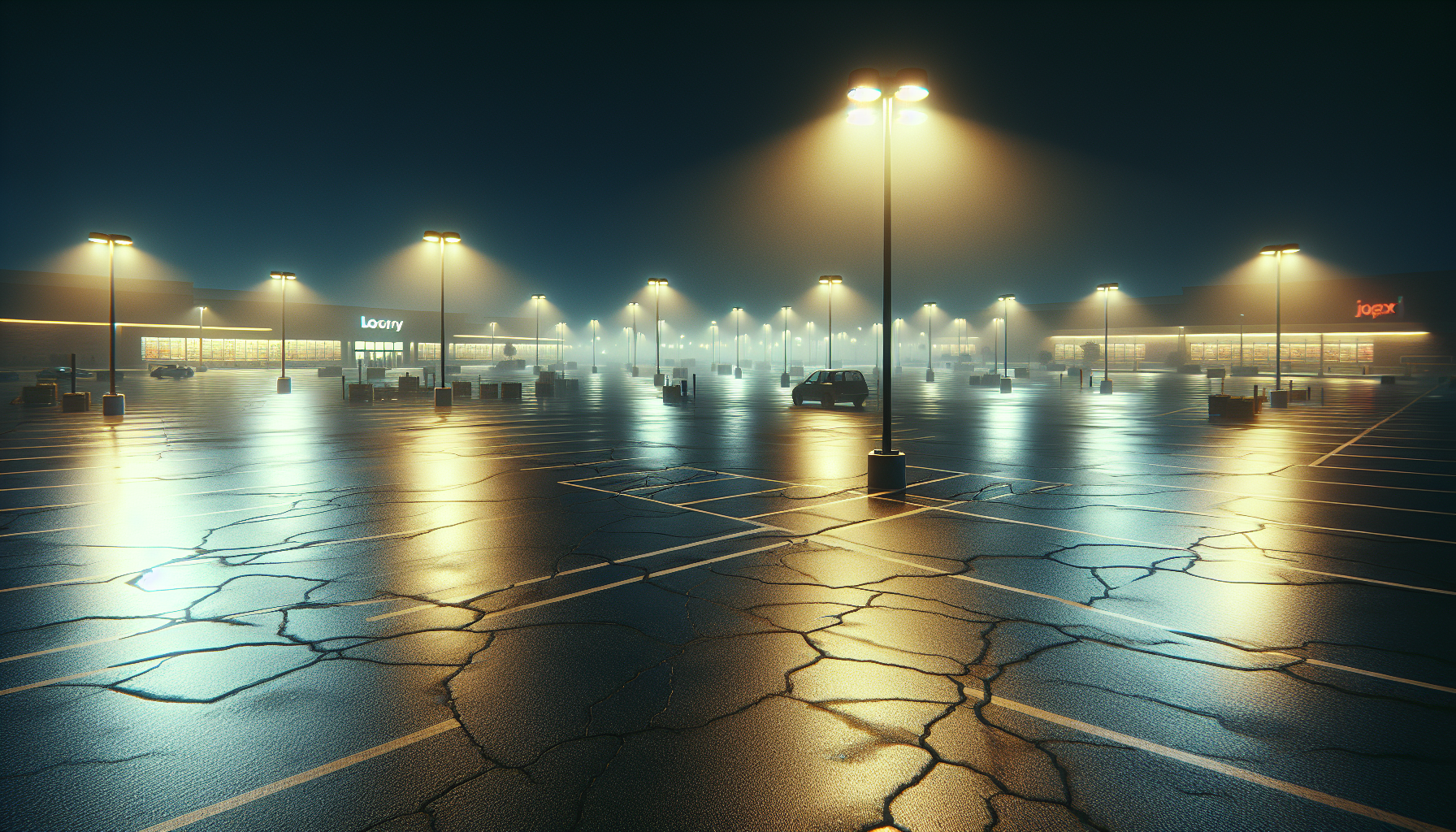
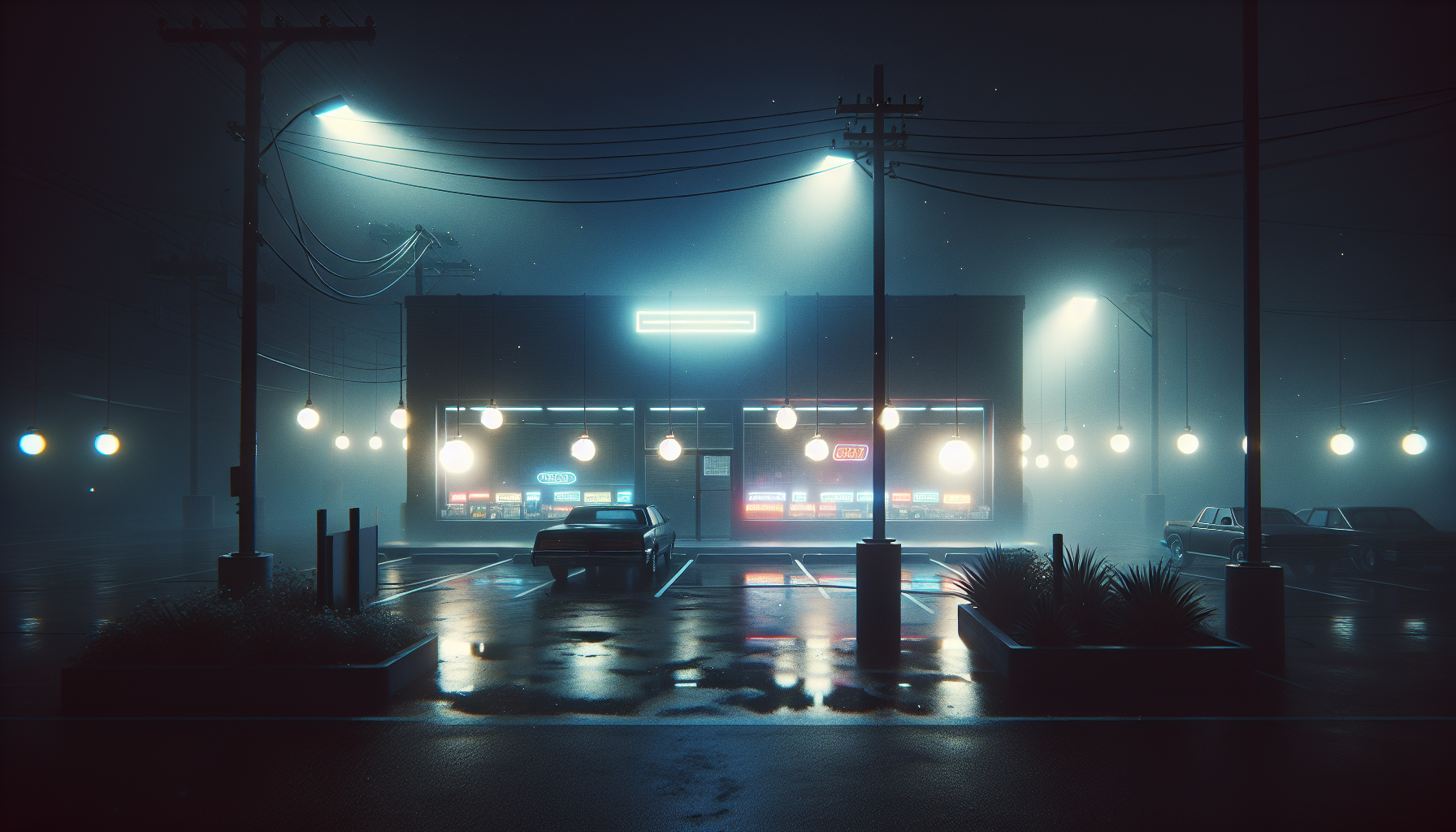
It was around 1 a.m. when I pulled into the lot. Late enough that the usual hum of people was gone, but not quite late enough where it felt abandoned. Most of the lights in the parking lot were either flickering or completely dead, so I picked one of the few spots under a working light. I always do that when it’s late. The air was warm for once — one of those rare summer nights where the heat from the day still clung to the pavement.
As I walked toward the entrance, I noticed a guy standing by the cart return. He was wearing this heavy coat that didn’t make sense for the weather. Not a hoodie — a full-on winter coat. His head was angled down like he was staring at the asphalt, hands shoved deep into his pockets. At first I thought maybe he was waiting for a ride, or maybe he worked there and was on break. But he wasn’t leaning on anything or pacing or checking his phone. He wasn’t doing anything. Just standing completely still.
I slowed down a little when I got closer, not enough to make it obvious, but enough to get a better look. He didn’t lift his head. He didn’t shift. Nothing. I tried to tell myself he was just tired like I was. People zone out late at night all the time. Still, that image of him just staring at nothing stuck in my mind as I went into the store.
Inside, everything felt normal enough. Bright lights, a half-asleep cashier, quiet aisles. I grabbed a few things for the week and took my time, partly because I wanted to decompress and partly because that guy had unsettled me more than I wanted to admit. I kept thinking about the coat. The weather didn’t justify it, and the way he stood there… it was off.
By the time I checked out, maybe twenty minutes had passed. When I stepped outside again, the cart return was empty. I almost laughed at myself. I figured he’d gotten picked up, or maybe he’d just gone inside while I wasn’t paying attention. It wasn’t like seeing someone standing alone at night was some huge red flag. I tried to shake it off.
But when I got close to my car, I noticed something that made me stop short.
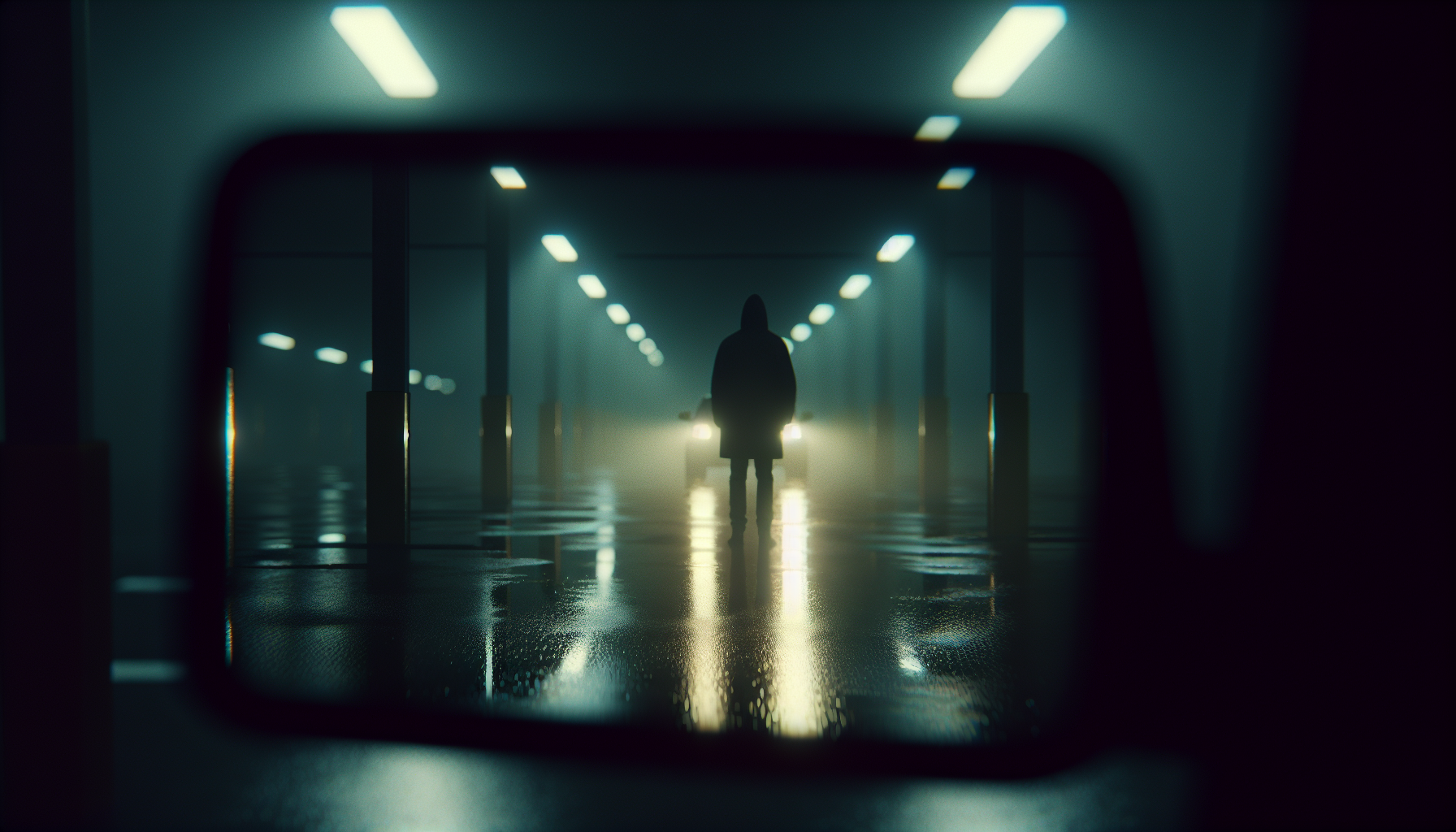
A shadow shifted behind my rear bumper.
At first I thought it was an animal — Flagstaff has enough stray cats and random wildlife that it wouldn’t have surprised me. But when I took another couple steps, a figure rose from behind the car.
It was him. The heavy coat guy.
He stood up slowly, pushing himself upright with this stiff, almost deliberate motion. His head was still angled downward, but not as much as before. I could see his face now, sort of. His eyes never quite met mine, but they were open, unfocused, like he was trying to look at me without actually looking at me. The bottom of his coat brushed against the bumper like he’d been crouching there for a while.
He didn’t say anything. Not even a greeting or an excuse or a question. He just adjusted the front of his coat — two short tugs, like he wanted it to sit a certain way — and took a small step toward me.
That was when the adrenaline hit hard. I didn’t even think. I hit the unlock button on my key fob from a distance, tossed my bag through the passenger-side door, and climbed in after it. I didn’t want to go near him. Not with how strangely he’d been acting. Not with how quiet he was.
As I slid across the seats toward the driver’s side, I heard footsteps. Slow ones. I felt this instinctive, animal-level fear tighten in my chest. I turned the key, and as the engine came to life, I saw him in the corner of my headlights. He hadn’t tried to open any doors or say anything — he was just walking toward the car in this steady, unchanging pace.
I put it in gear and pulled out faster than I probably should have. The tires squeaked a little on the pavement. In the rearview mirror, I saw him keep walking for several steps, like he was still approaching the spot I’d been parked in. Then he just stopped in the middle of the driving lane and stood there, facing the direction I’d gone.
I didn’t see a car pick him up. I didn’t see him turn around. He just stood there, getting smaller in the mirror until I rounded the corner out of the lot.
The whole drive home, I kept replaying it in my head, trying to make sense of it. Maybe he was homeless and looking for spare change. Maybe he was high or confused or just having a rough night. But crouching behind someone’s car in the dark… waiting… then getting up without a word? That wasn’t something you accidentally do.
I didn’t report it because I didn’t know what I’d even say. He hadn’t touched me, hadn’t threatened me. He hadn’t said anything at all. But there was something deeply wrong about the way he moved. Like he’d been planning something but hadn’t gotten the chance to do it.
Since that night, I don’t do late-night grocery runs anymore. Even if I’m starving after work, I wait until morning. And whenever I walk back to my car, I check under it, behind it, and around it before I get too close.
I never used to think about those things. Now I do every single time.
Story 2
This story was sent in by Jenna R. from Rural Vermont.
I was driving home late one night last fall, a little before midnight, taking the same narrow back road I’d used for years. It’s one of those stretches in Vermont where the trees crowd right up to the edge of the pavement, and the canopy blocks out whatever moonlight you might’ve hoped for. I’d worked a long closing shift at the small market in town, and I was dead on my feet. I just wanted to get home, take off my boots, and crawl into bed.
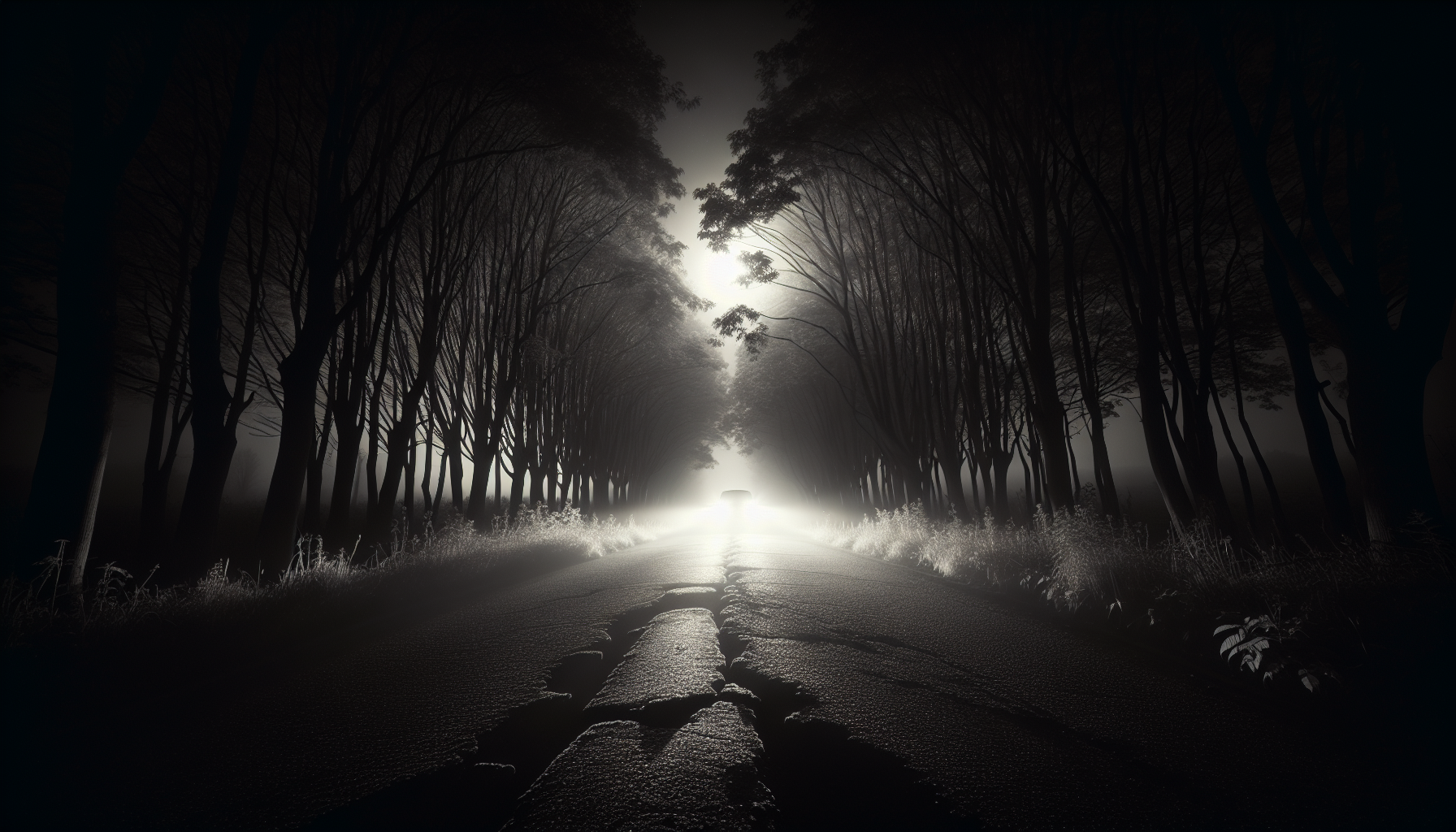
That road was always my shortcut. I knew every bend, every frost heave, every spot where the ditch got soft after rain. I’d driven it in every season—snow, mud, summer dust. It was familiar enough that sometimes I zoned out and let muscle memory do the steering. The only sound was the hum of my tires and the low whine of the heater fan fighting off the cold.
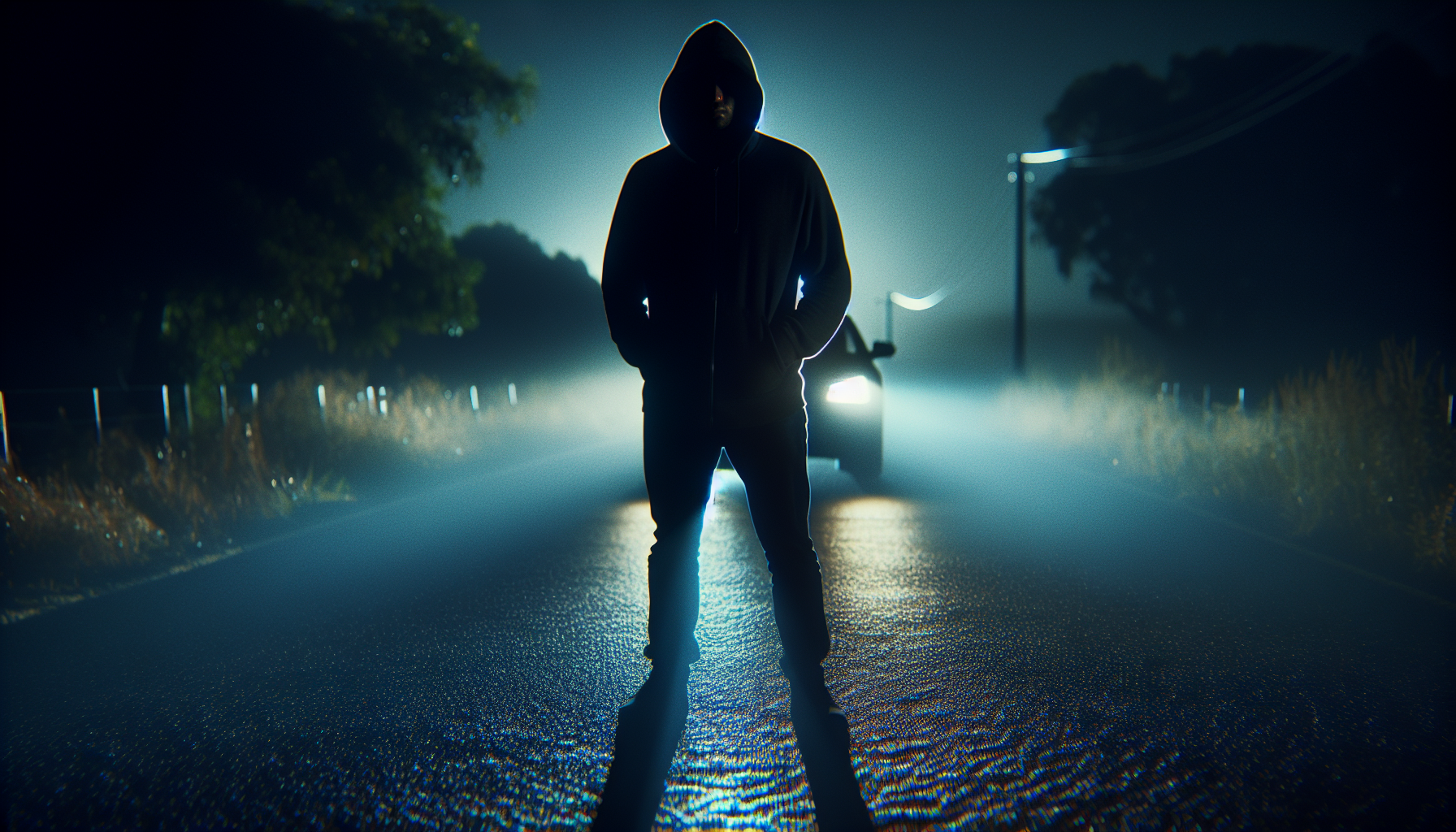
About two miles in, something faint caught my headlights—just a shape at first, dead center in the road. It wasn’t unusual to see a deer or a fallen branch, so I eased off the gas. But as I got closer, it didn’t look like an animal. It looked like a person.
For a split second, I wondered if maybe someone was checking a mailbox. A lot of them are perched awkwardly right at the edge of the road. But this figure wasn’t near a driveway or a post. They were standing directly in the middle of the lane, facing me, feet planted like they’d been dropped there.
I can still picture the way they looked in the high beams: a hood pulled low so I couldn’t see their face, hands hanging straight down, elbows locked, not shifting or reacting at all. Just… still. Too still.
That was the first thing that put a knot in my stomach. Nobody stands that still in the cold unless something’s seriously wrong.
I slowed almost to a crawl. My first instinct was that maybe they needed help—car trouble, lost, something normal. But something about their posture felt off. Too deliberate, too centered, like they knew exactly where I’d have to drive.
I rolled down my window an inch, just enough that I could shout if I had to. But the words didn’t come out. The longer I looked at them, the more the hairs on my arms stood up. They weren’t flagging me down, waving, calling out—nothing. No movement at all.
I told myself maybe they were drunk. Or having some kind of episode. Or maybe it was just a teenager messing around. I really tried to give it a normal explanation. I’ve talked myself out of worrying so many times on that road—animals in the ditch, weird shadows, strangers’ tail lights in the distance. Rural towns do that to you. You get used to filling in the blanks.
But something in me wouldn’t let the car stop.
I nudged the wheel to the right and crept around them, hugging the edge of the pavement. That’s when they moved for the first time.
They didn’t lift their head or raise their hands. Their whole body just turned sharply—too sharply—to follow the car as I passed. Like their feet didn’t shift, just their torso twisting with this rigid, sudden motion. I only caught it out of the corner of my eye, but it made my hands clamp tighter on the wheel.
I pressed the gas a little harder. Not speeding, but wanting distance.
In the rearview mirror, I saw them take one step back toward the center of the road. Then another. Then, as my taillights faded just a bit, they broke into this smooth, quick motion toward the tree line and disappeared between the trunks.
There was no flashlight. No reflective clothing. No path there—just dark woods.
It hit me that they hadn’t been walking anywhere. They had been waiting.
My heart was pounding hard enough that I could hear it over the heater fan. I kept checking the mirror like I expected to see someone sprinting after the car. Every shadow between the trees looked like something about to break loose and run.
For a few seconds, I tried to tell myself again that there had to be a normal reason. Maybe someone out for a night walk. Maybe a hiker who got turned around. But hikers don’t stand perfectly still in the middle of a road without signaling for help. And they don’t vanish into trees like they know exactly where they’re going, especially in the dark.
I didn’t call anyone because I didn’t have anything concrete to say. No face to describe. No car. Not even a clear motive—just the feeling that I’d driven into something I wasn’t supposed to see.
I went the rest of the way home gripping the wheel so tight my knuckles hurt. When I pulled into my driveway, I didn’t get out right away. I sat there with the engine running, headlights on my garage door, trying to convince myself that none of it meant anything.
But the next morning, in daylight, I thought about the exact spot where they’d been standing. It isn’t near a house. Isn’t near a trailhead. There’s no reason for anyone to be there at night unless they wanted to be hidden.
I haven’t taken that road after dark since. It adds half an hour to my drive, sometimes more if the weather’s bad, but I don’t care. Every time I even think about turning down that way, I picture that hooded figure rotating toward my car without lifting their head, like they’d been waiting for me specifically.
I still wonder what would’ve happened if I’d stopped. And I think that’s what keeps me avoiding that road—because I don’t want to find out.
Story 3
This story was sent in by roadwatcher88 from Portland, Oregon.
I got off the bus a little after 1 a.m., later than I planned. I’d been hanging out with a couple friends in Southeast Portland, and even though we kept telling ourselves we’d call it a night, the conversation dragged on the way it usually does. By the time I actually boarded the last bus toward my neighborhood, the city had already slipped into that in‑between state where the streets are quiet but not completely empty. Portland has a way of feeling safe and eerie at the same time, especially on weeknights.
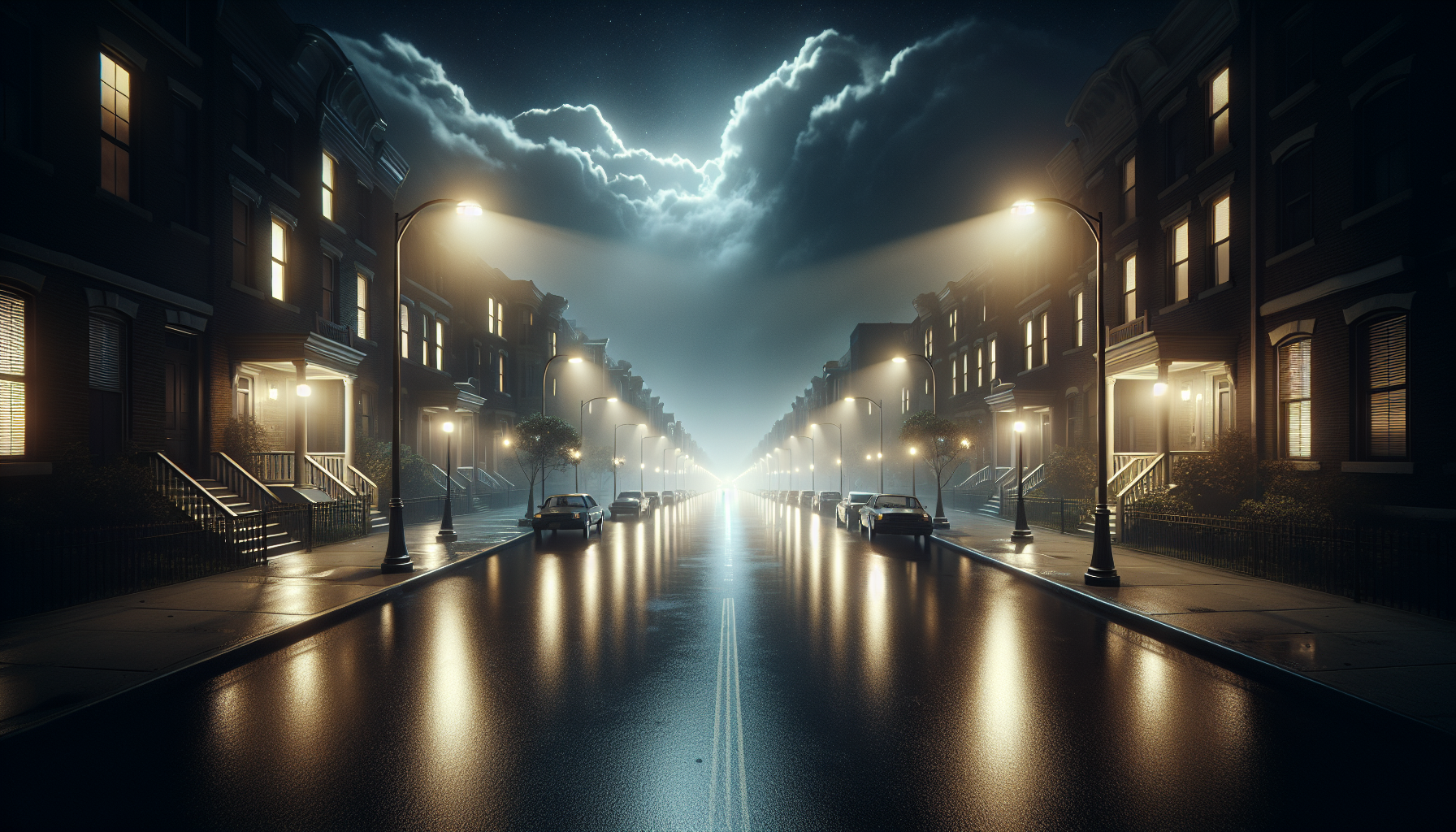
I remember feeling tired but comfortable. I do late nights more often than I should, so the walk home didn’t bother me. It was only about ten minutes through mostly residential streets—houses with dim porch lights, the occasional motion-activated light flicking on for no reason, a few parked cars lined up along the curbs. The air had that cold, slightly damp smell you only get in the Pacific Northwest after midnight.
A block from the bus stop, I noticed a guy walking on the opposite sidewalk. Hood up, hands deep in the pocket of a baggy sweatshirt, head down like he didn’t want to be seen. That alone didn’t register as strange—plenty of people keep to themselves at that hour. What I did notice, though, was this faint metallic jingling that came with every step he took. It reminded me of loose keys hitting against a metal carabiner, light but steady, like a rhythm I couldn’t ignore.
I told myself it was nothing. A lot of people clip their keys to their belt loops. But something about how soft and irregular the sound was stuck with me—like it wasn’t coming from a simple keychain. I remember thinking maybe it was just the acoustics of the empty street making it sound odd.
When I reached the corner where I normally turned toward my street, I glanced over casually. The guy changed direction at the same moment I did. Not immediately—just a beat after, like he wanted it to look natural. But he crossed the street and fell in behind me, keeping to my side of the road.
I didn’t jump to conclusions right away. It could’ve been coincidence. We were both just walking. People share the same routes all the time. I kept thinking of the most normal explanation, because that’s what I usually do when something makes me uneasy late at night. I’m not the type to assume danger first.
Still, I paid attention. My footsteps tapped lightly on the sidewalk, and a few seconds later, his sounded behind mine. And underneath them both was that metallic jingle—soft, repetitive, moving in time with him.
I slowed down. Not even dramatically, just enough to see if anything changed.
It did. His footsteps softened too, falling into a slower rhythm that matched mine exactly. The distance between us didn’t shrink or grow. It stayed perfectly calibrated.
That was the moment my stomach tightened. I sped up a little, like I was suddenly remembering something at home I needed to hurry for. After a few seconds, the jingling picked up again behind me, faster now, still matching my pace.
I kept walking, trying to look relaxed even though my brain was firing off warning signals. I remember thinking that maybe he just lived down the same street. Maybe he wasn’t even aware he was keeping pace with me. Maybe the sound wasn’t keys at all but some tool or something from work.
But deep down, I knew that wasn’t what this was. Not with how precisely he adjusted to everything I did.
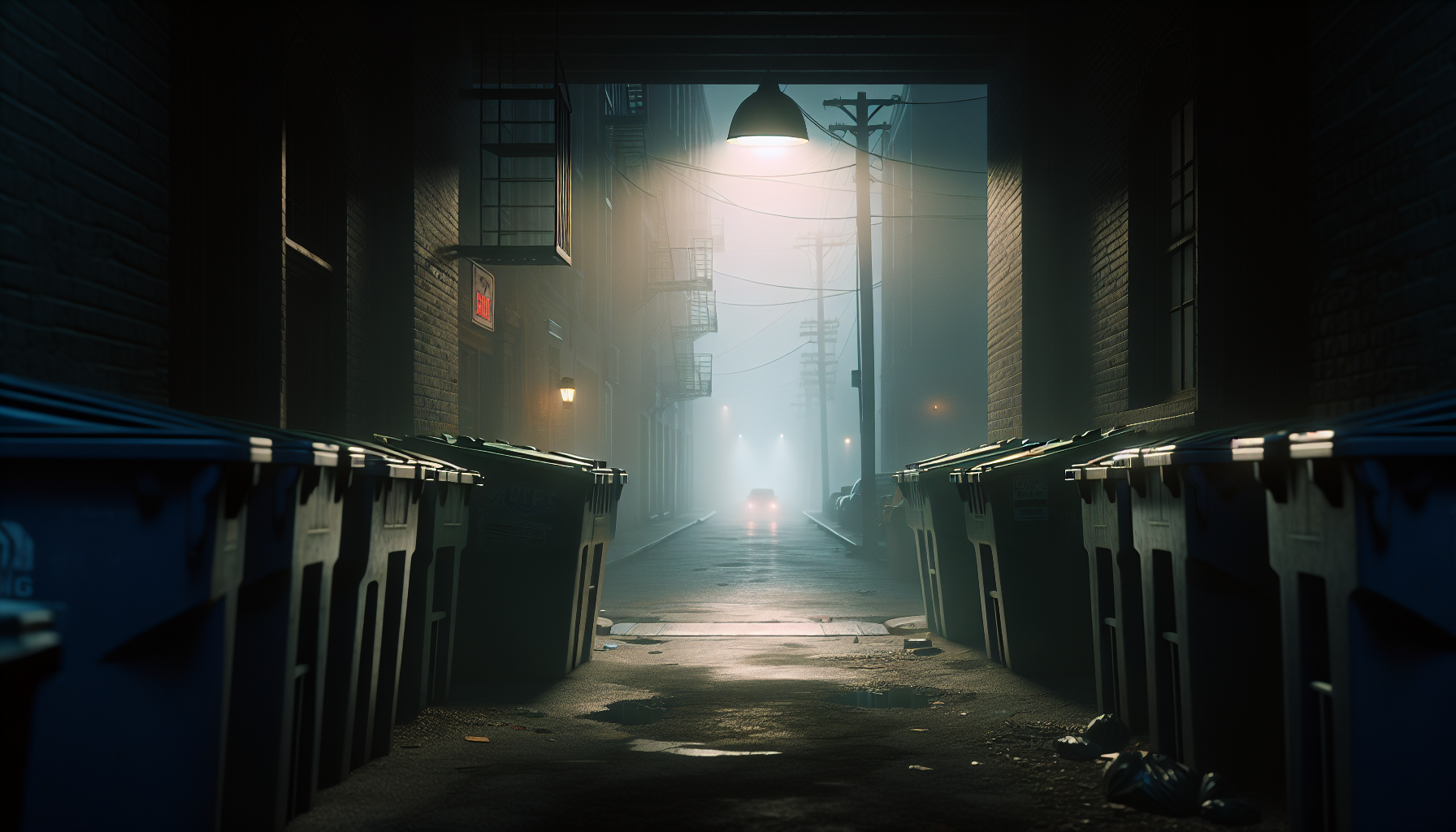
About halfway down the block, there’s a narrow alley that cuts behind a row of older houses. Most people in the neighborhood don’t use it unless they live on that specific stretch, and even then, it’s not exactly welcoming. Just gravel, garbage bins, a flickering bulb above a garage door, and shadows that seem too wide. But in that moment, it looked like a place I could disappear for a minute.
I turned into the alley like I did it every night. I didn’t look back or hesitate. I just walked in calmly, making it seem like I lived in one of the houses back there.
About ten feet in, I stopped behind a tall recycling bin and carefully peeked toward the street.
He was standing right at the entrance of the alley.
Not coming in. Not calling out. Just standing there, facing the opening, his head tilted slightly downward the way it had been earlier. His hands were still in the front pocket of his hoodie. I couldn’t see his face, but I could tell he wasn’t moving at all—not even shifting his weight.
The jingling had stopped.
We stayed like that for maybe five seconds, but it felt stretched out, like time widened between us. I didn’t know if he could see me from where I was crouched, but I didn’t dare breathe too loudly. I kept waiting for him to take a step in, or say something, or do anything besides stare into the alley.
But instead, after what felt like forever, he slowly backed away. No turning, no looking around. Just three or four steps backward, then he pivoted and continued down the road at the same steady pace he’d had before—this time without the rhythm of metal tapping along with him.
I stayed crouched behind that recycling bin for almost fifteen minutes. I kept listening for footsteps or the jingle of metal, but the street stayed completely silent. At one point I thought about calling someone, but I didn’t know what I’d even say.
When I finally walked the rest of the way home, I kept checking behind me every few yards. Even after I locked my door, I stood at the peephole longer than necessary, just making sure no shadow lingered out front.
I’ve never taken that late bus again. I don’t walk that stretch at night anymore either. Now I arrange a ride every time—no exceptions. And sometimes, even in the middle of the day, if I hear keys jingling behind me, it sends a cold ripple up my spine in a way I can’t shake.