
This story was sent in by Ruth M. from Savannah, Georgia.
I was working evening shifts at a small restaurant near the historic district, the kind of place that stays open just late enough to catch the last wave of tourists but not so late that the streets stay lively. By the time we cleaned up and locked the door that night, it was around 12:45 a.m. I remember feeling that familiar mix of exhaustion and relief as I stepped out into the warm, heavy Savannah air. I only lived two blocks away, and on most nights that short walk felt more like a cooldown than a chore.
The streets were quiet the way they get on weeknights—humid, still, and almost muted. I could hear the soft buzz of insects in the trees and the distant hum of a passing car somewhere deeper in the city. My shoes were rubbing the back of my heels because I’d worn the wrong pair for a long shift again, and I kept thinking about how badly I wanted to kick them off the second I got home.
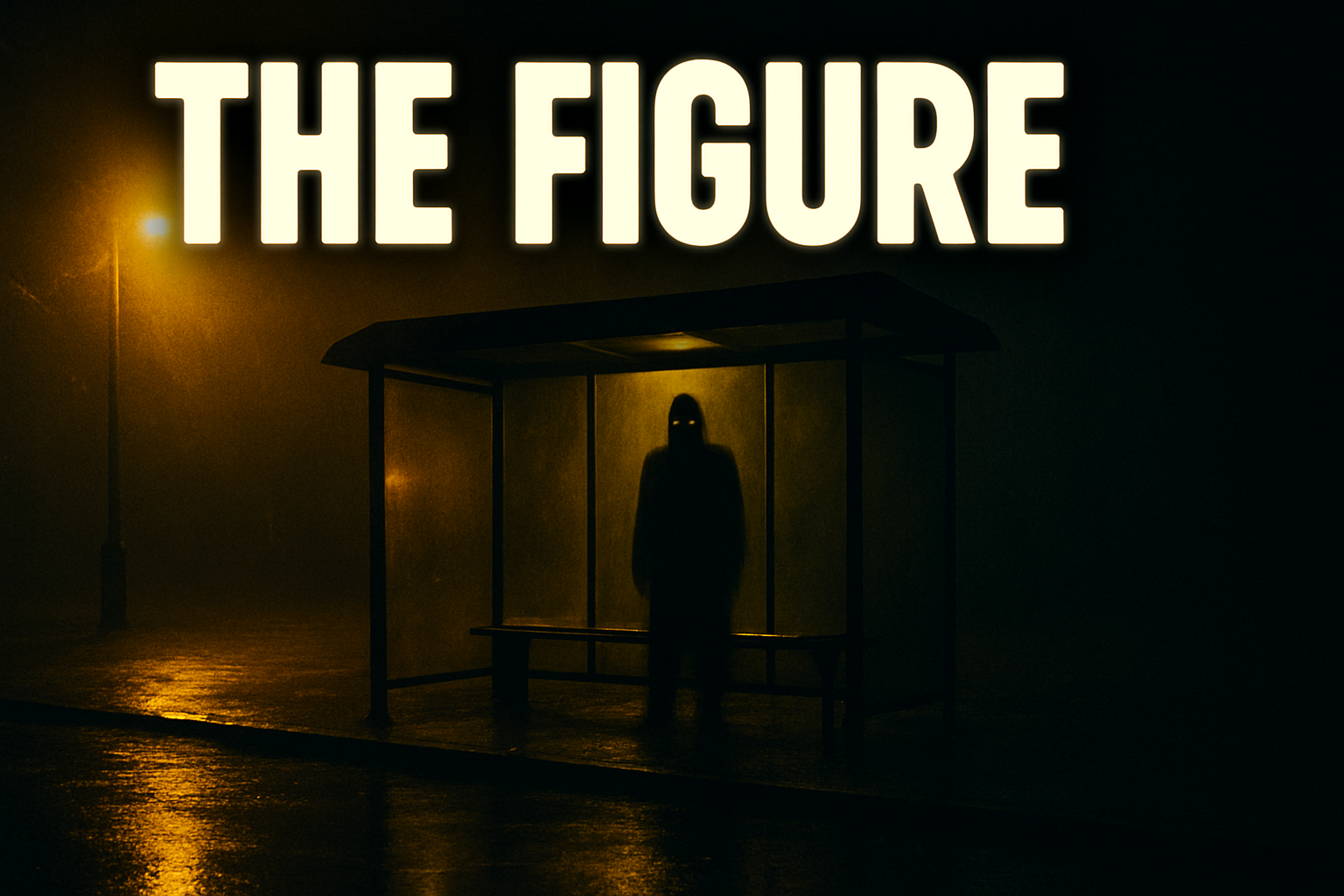
Halfway down the route, there’s this old bus shelter on the corner. It hasn’t been serviced in a long time—paint peeling, glass scratched up, and a single fluorescent bulb overhead that flickers so unpredictably it almost feels intentional. I always pass it without thinking much, but that night, the moment I turned the corner, I noticed something off.
A man was inside the shelter, standing perfectly still with his back to the street. Not sitting, not pacing—just facing the wall like he’d been placed there. His shoulders were stiff under a worn, oversized coat, and he seemed almost too still, like he was trying to hold himself in place.
What caught me wasn’t the posture. It was the sound.
A quiet, steady whisper. The same phrase again and again, each repetition landing just a little off from the last.
“Not tonight… not tonight… not tonight.”
He said it slowly, almost thoughtfully, as if weighing each word before releasing it. The flickering light overhead gave his silhouette a stuttering, unnatural sway.
I felt that small instinctive jolt of unease, the kind you try to brush off before it becomes fear. I told myself he might just be talking to himself the way some people do when they’re upset or drunk or waiting for a bus that isn’t coming. Still, something about the cadence made the back of my neck tighten.
I crossed to the opposite side of the street, trying to look casual, pretending to be focused on my phone even though I wasn’t actually doing anything on it. The whole time I walked, I could still hear the faint, rhythmic whispering behind me.
But the moment I passed directly across from the shelter, the whispering stopped—as cleanly as if someone had hit a switch.
I didn’t look up, but I heard it: the scrape of shoes pivoting on concrete. Slow, deliberate.
That sound hit me harder than anything he’d been saying.
I kept walking, a little faster now but still trying not to look like I was running. I told myself not to panic. Don’t assume the worst. Maybe he was just leaving too. People walk places at night all the time, I kept reminding myself, even though the street felt completely empty.
The next thing I noticed was the shape stretching along the pavement beside me—the long, distorted shadow of someone stepping out from under the shelter’s flickering light. I didn’t hear him walking fast, but I could tell he was closing the distance with this slow, purposeful stride.
I kept moving, gripping my bag tighter, my heartbeat loud in my ears. I could feel him behind me without turning around. The sense of being watched from directly over your shoulder is something you don’t forget once you’ve felt it.
My apartment building came into view—old brick, dim porch light, the same creaky gate I always fussed with because it sticks when the humidity is high. I remember mentally rehearsing how long it would take me to get the latch open. I didn’t want him to see me go inside. I didn’t want him to know where I lived.
At the last second, instead of heading for the entrance, I stepped into the narrow gap beside the building, where the side gate leads to the courtyard. It’s tucked back enough that you can hide in shadow if you press yourself against the wall. I slipped behind it as quietly as I could and held still.
A few seconds later, he passed by.
He wasn’t rushing. He wasn’t out of breath. He didn’t even seem confused. He walked with his head turning slowly from side to side, scanning the street like someone trying to spot a lost pet or track a scent. His coat looked heavier up close, bulky in a way that made his movements seem off. The streetlight caught the side of his face, but not enough for me to make out details—just a hard outline and a jaw that stayed locked in this strange, focused tension.
He paused right in front of my building.
For a moment, he leaned forward slightly, as if listening for something. I held my breath until my chest ached. After several long seconds, he kept walking down the block, disappearing into the patchy darkness between the streetlights.
I waited a long time before unlocking the gate and slipping inside. Even once I was in my apartment with the deadbolt thrown, I kept listening, half-convinced I’d hear footsteps outside my window.
Nothing happened after that. No knocking. No circling back. No explanation.

But I stopped walking those two blocks at night. I don’t care if it’s early, late, clear skies, or packed with people—I take an Uber after every night shift now. It feels ridiculous sometimes, but every time I pass that corner from the safety of a car, I can still picture that flickering light and hear the whispering. And I still wonder who he was really talking to when he said, “Not tonight.”